Quick Summary
California requires 600 hours of training at a Board-approved school before you can take the esthetician licensing exam, and hours from non-approved schools do not count. The best programs combine strong exam results, flexible schedules, transparent costs, and plenty of hands-on practice with real clients. Visiting in person and asking specific questions is the surest way to compare schools across San Diego, Los Angeles, the Bay Area, and beyond.
Choosing among esthetician schools in California takes more than a quick search and a glance at tuition. The state has dozens of programs, and they differ in schedule, cost, class size, and how much client work you get before graduation.
Knowing what to check makes the comparison much easier. Below is a practical way to find a school that fits your goals, your budget, and your timeline.
Where to Look
Start with the Board’s approved school list, since it names every school whose hours count toward your license. Next, search by region. San Diego County, Los Angeles, the Bay Area, and Sacramento all have several programs, and many students pick a school within a reasonable commute so travel does not drain their energy. Our campus is in Escondido, in San Diego County, so you can see a program in person before you decide.
California’s Bureau for Private Postsecondary Education also requires private schools to publish catalogs and performance information, which gives you actual numbers to compare. Finally, read recent graduate reviews on Google and social media for a sense of daily life on campus.
Start with Board Approval
Before anything else, confirm the school is approved by the California Board of Barbering and Cosmetology. The Board warns that courses taught by non-approved schools are not recognized, and those hours cannot qualify you for the exam. You can check the Board’s list of approved schools on its website.
The Board also tells students to report any school that is not teaching the required curriculum or that sells hours. Either one is a clear sign to walk away.
Review Pass Rates
The Board publishes exam pass and fail rates by school, and it encourages students to review them before enrolling. A school with steady pass rates is usually doing something right in the classroom. Since California now uses only a written exam, ask each school how it prepares students for it. A mock board exam before test day is a good sign.
Compare Programs and Schedules
Every approved esthetician program covers the same 600 hours. The state requires 350 hours in skin care, 100 in health and safety, 100 in disinfection and sanitation, and 50 in hair removal and lash and brow beautification. What changes is the pace.
At 25 hours a week, 600 hours takes about 24 weeks. At 40 hours a week, it takes about 15. Part-time day and night options help students who work or care for family. Look for a schedule you can keep for the full length of the program. Also ask how the school handles missed hours, since falling behind can push your graduation date back.
Check the Curriculum Details
Because the hours are fixed, the teaching is where schools differ. Ask how classroom lessons connect to client work, and how often students practice skin analysis, extractions, facial massage, and waxing before they treat the public.
Find out which products and devices students learn on, since familiarity with professional-grade tools helps in your first job. A school that can describe its weekly lesson plan in detail usually has a well-organized program.
Look at Cost and Financial Aid
Prices vary by school and location. Ask for the full cost in writing, including the student kit, books, and any exam or licensing fees, so there are no surprises later. Also ask about aid. Schools must hold recognized accreditation to take part in federal student aid programs, so a school that participates in Pell Grants and Direct Loans has met that standard.
Accreditation is not required for licensure, but it shows a school has met national education standards. Ask about scholarships, payment plans, and military benefits too.
Hands-On Training
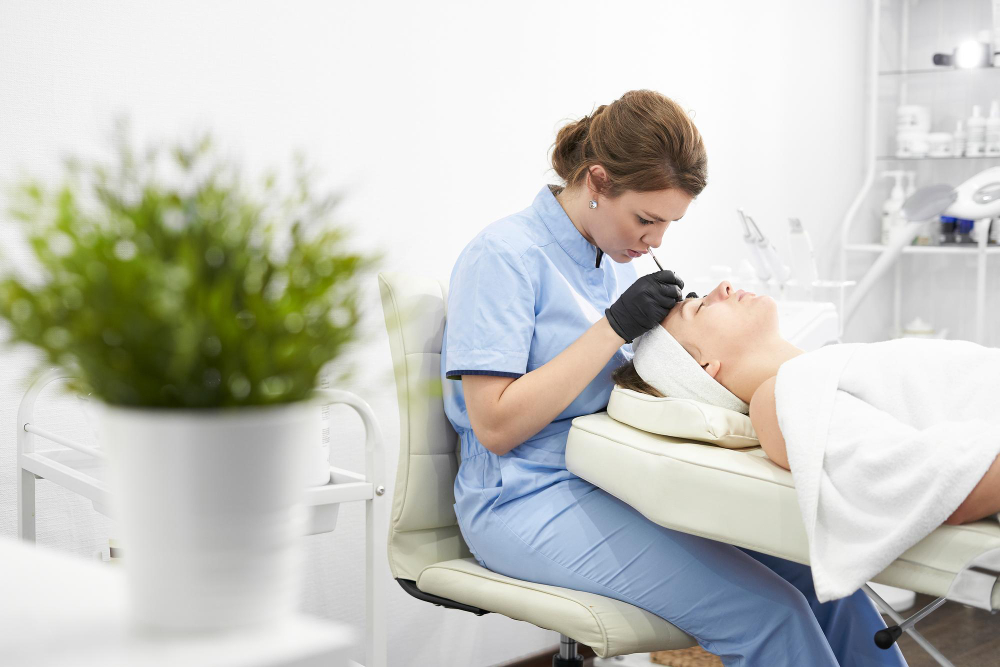
Skin care is a hands-on craft, and you learn it by working on people. Ask how many client services students perform and when they start. A school with an on-site student salon gives you steady practice with a range of clients and skin concerns under an instructor’s supervision. Instructor experience counts as well, so find out how long your teachers have worked in the industry.
Career Support
A license opens the door, but you still need clients and a workplace. Ask if the school helps with job placement, brings in guest artists, or teaches business basics such as pricing, marketing, and building a client list.
These skills help new graduates get started with clients. A school that keeps in touch with local spas and studios can also point you toward current openings.
Visit Before You Enroll
A campus tour tells you what a brochure cannot. Bring a short list of questions:
- Is the school Board-approved, and what are its recent pass rates?
- What is the total cost, including the kit and fees?
- How many students are in each class?
- Does the school help with job placement?
Pay attention to cleanliness, equipment, and how students talk about their instructors. If the school feels right, you will notice it quickly.
Train at Southern California College of Barber & Beauty
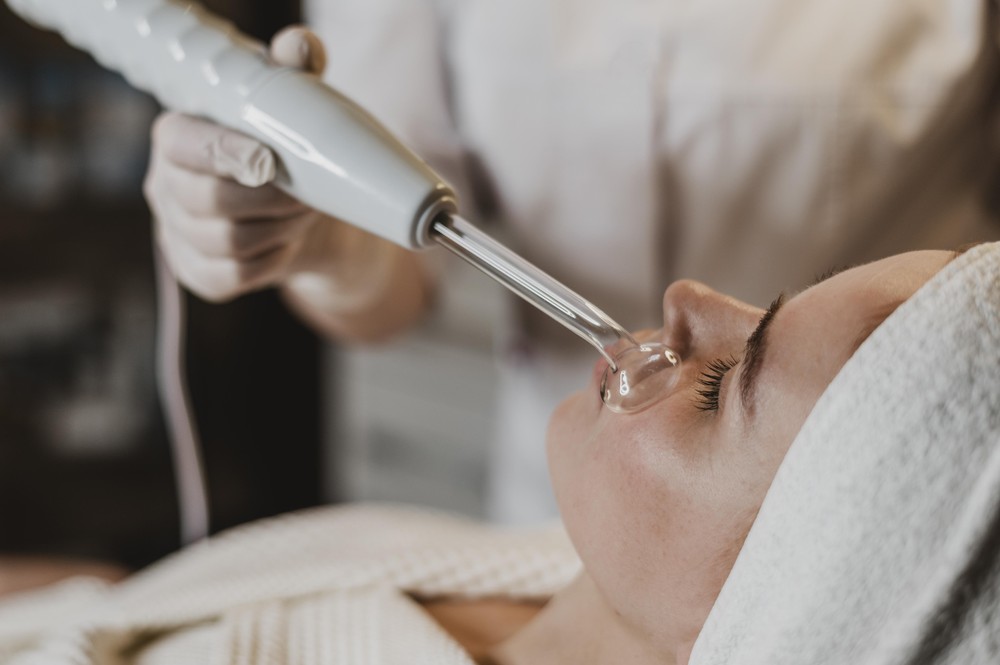
At Southern California College of Barber & Beauty in Escondido, our esthetician program covers the full 600 hours on part-time day and night schedules, about 25 hours a week. Students build skills in our student salon, where they perform facials and other skin care services on real clients under instructor supervision. Every student also gets a kit and a practice run of the state board exam before the real test.
Financial aid is available to those who qualify, and veterans and military families can use several benefit programs. Our instructors bring years of industry experience into the classroom. Call 442.277.5847 or visit on a visitor day to see our campus.
FAQs
California requires 600 hours of training at a Board-approved school, followed by a passing score on the written state exam.
No, accreditation is not required for licensure. It does show that a school meets national standards, and it is needed to take part in federal financial aid.
Costs vary by school and by what tuition includes, such as the kit and fees. Call us at 442.277.5847 for our current cost breakdown.