Quick Summary
The best barbering classes for cosmetologist professionals use a California-approved crossover format that builds on prior cosmetology education. Effective training concentrates on clippers, fades, tapers, beard shaping, straight-razor shaving, sanitation, and licensing preparation. Supervised practice helps develop control across different hair textures, growth patterns, and head shapes. Licensed cosmetologists should compare curriculum depth, practical training hours, scheduling, tuition, and instructor experience before enrolling.
Cosmetologists who want to add barbering services need focused training rather than a second full beauty course. The best barbering classes for cosmetologist professionals concentrate on barber-specific skills, supervised practice, and California licensing preparation. A well-designed class respects prior education while building the control required for short cuts, facial hair work, and shaving.
What Makes Barbering Classes for Cosmetologist Professionals Worth Choosing?
The best class begins with skills that separate barbering from broad salon education. It should focus on clippers, trimmers, fades, tapers, lineups, beard shaping, straight-razor work, sanitation, consultation, and barbershop professionalism. This approach develops new grooming ability without repeating familiar color, styling, or basic haircut lessons.
A barber crossover program is the clearest match because California recognizes a specific route for cosmetologists seeking barber licensing. State requirements list completion of a Board-approved barber crossover course as a qualifying pathway for a licensed cosmetologist or graduate of an approved cosmetology course. That structure lets prior education count while directing new study toward barbering procedures.
Which Technical Skills Should the Class Teach?
Clipper Control, Fades, and Tapers
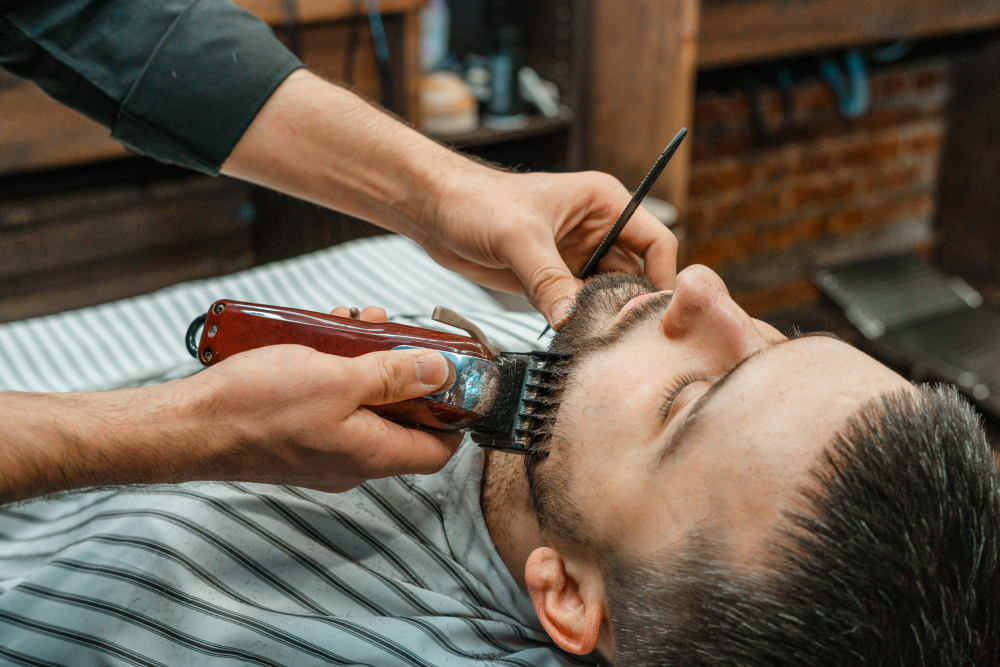
Clipper work should form a major part of the course because short hair exposes uneven sections and weak transitions. Training should cover guard selection, lever control, clipper-over-comb work, guideline placement, bald fades, low fades, drop fades, temple tapers, neckline tapers, and blending. Results depend on pressure, angle, hand position, and planned guideline removal.
A useful class also teaches how head shape, growth patterns, density, and texture affect the finished cut. One guard sequence will not create equal results across varied hair textures. Instructors should show how to adjust section size, tool direction, tension, and finishing methods.
Lineups, Beard Work, and Straight-Razor Shaving
Barbering education should include detailed work around the forehead, temples, ears, sideburns, mustache, cheeks, and neckline. Students need practice creating balanced lines without pushing back the natural hairline. Beard lessons should address symmetry, length control, blending, outline placement, and product selection.
Straight-razor instruction must cover preparation, sanitation, skin stretching, blade angle, stroke control, and aftercare. The college’s crossover curriculum identifies safety and sanitation, clipper cutting, shaving, professionalism, and customer service as central training areas.
Is Barbering Considered Cosmetology in California?
The question “is barbering considered cosmetology” has a clear California answer: the two fields overlap, but the state licenses them separately. Both may include haircutting and hairstyling, yet barbering places greater emphasis on shaving, facial hair, and short-hair design. California therefore treats cosmetology and barber licenses as distinct credentials with separate qualification routes.
This distinction explains why general haircut experience does not replace focused barber training. A cosmetologist may already understand sectioning, sanitation, styling, chemical services, and client communication, but barber work demands added control with clippers, trimmers, razors, close cutting, and beard design. The best class closes those gaps instead of reviewing material already mastered.
How Should Barbering Classes Prepare Students for California Licensing?
A serious course should connect each technical lesson to California licensing standards. The California Board states that barbering and cosmetology programs each require at least 1,000 hours, while qualified cosmetologists may follow an approved crossover route instead of beginning a full barber course. The state also lists a written barber examination lasting 120 minutes, with 85 scored questions and 10 pretest questions.
Licensing preparation should cover infection control, safe tool use, shaving theory, haircutting principles, applicable laws, workplace conduct, and timed written practice. A class should explain application steps using current Board information. California-specific instruction avoids confusion caused by rules from other states.
Why Hands-On Practice Matters More Than Demonstrations
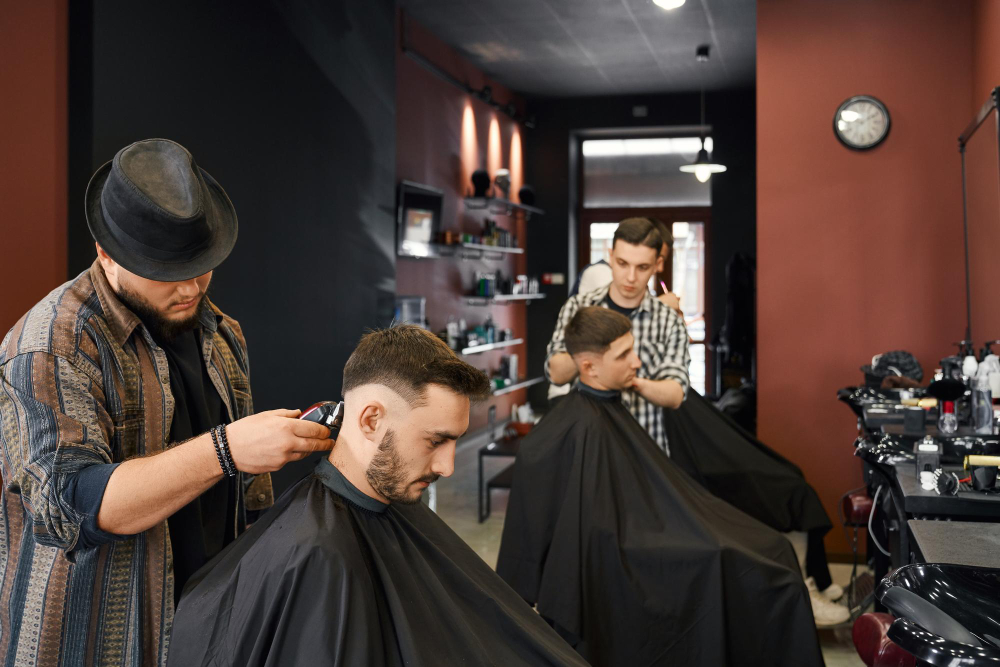
Watching an instructor perform a fade can clarify the sequence, but skill develops through guided repetition. Students need supervised work on mannequin heads and live clients to learn consultation, pacing, body position, tool pressure, correction methods, and finishing. Real practice also shows how texture, cowlicks, or previous cuts change the plan.
Current barbering trends call for a wider technical range. Industry educators cite growing demand for texture-aware cuts, gender-neutral styling, detailed fades, longer scissor work, modern mullets, crops, pompadours, quiffs, and creative finishing. A good crossover class teaches durable foundations before applying them to current service requests.
What Should Licensed Cosmetologists Check Before Enrolling?
Searches for barbering classes for licensed cosmetologist professionals should lead beyond a brief demonstration workshop. A qualifying class should come from a California Board-approved school, follow a structured curriculum, include instructor feedback, and explain the route from enrollment through license application. Flexible scheduling can help training fit around salon hours.
Prospective students should ask how much time the class assigns to clippers, shaving, beard services, sanitation, and practical work. They should also ask who teaches the course, how progress is measured, which tools are required, and how written exam preparation works. Clear answers reveal the program’s depth and value.
How Does Barber Training Expand a Cosmetologist’s Service Range?
Barber training adds services that fit naturally beside existing haircutting and styling knowledge. A licensed professional can gain greater confidence with fades, tapers, buzz cuts, beard shaping, lineups, razor detailing, and short textured designs. That wider skill set can open work in barbershops, salons, suite settings, mobile services, or an independent business, subject to licensing and local rules.
The added training also sharpens consultations because barber services often depend on precise language about length, weight, outlines, and maintenance. Near the end of a cosmetology program, students gain broad beauty knowledge, but crossover education narrows attention to tools and procedures used most often in barbering. This focused progression makes the crossover class the best choice for a cosmetologist seeking a California barber credential.
Choose Focused Training That Builds Barbering Skill
The best barbering class for a cosmetologist is a California-approved crossover course with concentrated instruction in clippers, fades, tapers, shaving, beard design, sanitation, client care, and licensing preparation. It should respect previous education, require substantial hands-on practice, and teach both classic foundations and current barbering methods.
Turn Cosmetology Training Into Barbering Expertise
At Southern California College of Barber & Beauty, our barber crossover program develops focused skills in clipper cutting, shaving, sanitation, and professional client care. Contact us to request details about admissions, tuition, class schedules, and upcoming enrollment dates.
FAQs
A barber crossover class is the best choice for a licensed cosmetologist seeking a California barber credential. This focused course builds on previous cosmetology training while teaching barber-specific methods such as advanced clipper cutting, facial hair design, razor work, and short-hair detailing.
The curriculum should cover fading, tapering, clipper-over-comb work, lineups, beard shaping, straight-razor shaving, sanitation, and client consultation. It should also teach students how to adjust cutting methods for varied textures, density levels, growth patterns, and head shapes.
Barbering and cosmetology share services such as haircutting and hairstyling, but California treats them as separate licensed professions. Barbering includes specialized training in shaving, beard work, clipper cutting, and other grooming methods that may receive less attention during cosmetology education.
Hands-on practice develops the pressure control, tool angles, timing, and visual judgment needed for detailed barbering work. Working with mannequin heads and supervised clients also teaches students how to adapt a planned cut when texture, density, cowlicks, or previous haircuts affect the result.