Understanding the difference between a barber vs. barber crossover can cause confusion for those checking out licensing options in California’s grooming industry. Although both paths lead to barbering, they are not the same in terms of training, entry requirements, or how students reach that final license.
Students will want to compare options at a SoCal barber and cosmetology school when deciding which path fits their background. Some begin by researching questions about barber programs to clarify differences between full training and crossover options.
People may also look into a barber crossover program after completing cosmetology training and then want to expand into barbering.
What Does Barber Mean in California?
A barber is a licensed professional trained to perform haircuts, grooming services, and facial hair detailing. California sets clear standards for barber licensing, which include completing required training hours and passing the state board examination.
Traditional barber programs are designed for students starting with no prior licensing. These programs cover a full range of topics, including haircutting, clipper techniques, shaving, sanitation, and client safety.
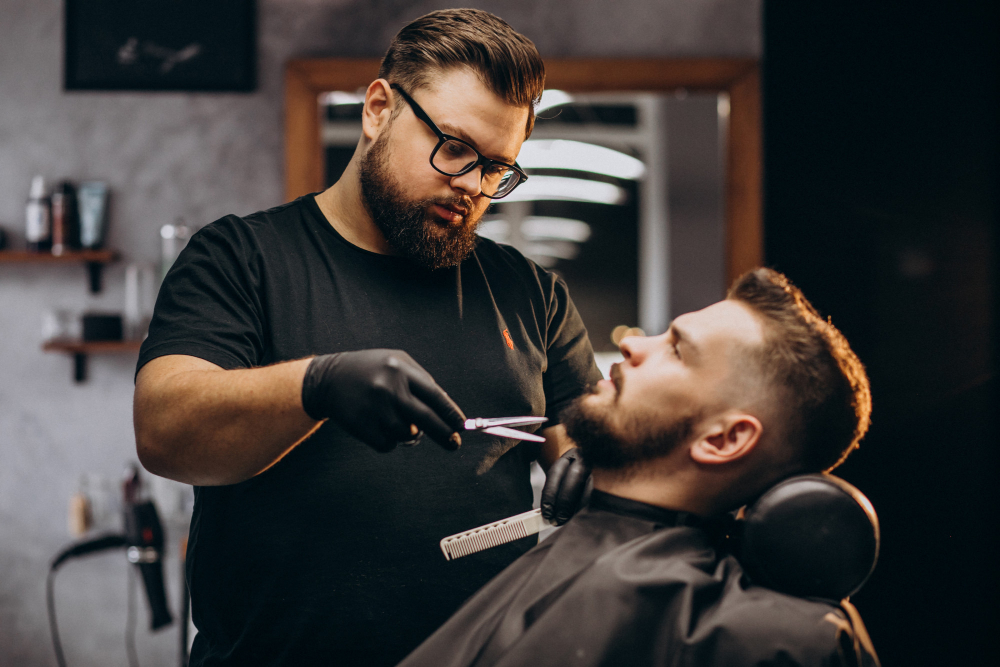
Students in a full barber program build their skills from the ground up. Training includes both theory and hands-on practice, which prepares them for real client interactions after licensing.
This path is ideal for individuals entering the industry for the first time. It offers a complete introduction to barbering without requiring previous experience in cosmetology.
Breaking Down the Barber Crossover Meaning
The barber crossover meaning refers to a specific pathway for licensed cosmetologists who want to become barbers. Instead of starting over, these individuals complete additional training focused on barber-specific skills.
A crossover program recognizes that cosmetologists already have basic knowledge. Because of this, the training focuses only on the areas that differ between cosmetology and barbering.
This includes advanced clipper work, straight razor techniques, and detailed grooming services. These skills require precision and practice, especially when working with shorter hair and facial hair.
The crossover path allows licensed professionals to expand their qualifications without repeating material they have already mastered.
Main Differences Between Barber and Crossover Paths
The biggest difference between a traditional barber program and a crossover program comes down to the starting point and training structure.
A full barber program is designed for beginners. It includes all required hours and covers both basic and advanced concepts. Students progress through the curriculum step by step, building knowledge along the way.
A crossover program is shorter and more focused. It is only available to licensed cosmetologists who have already completed basic training. These students move directly into barber-specific techniques without revisiting general topics.
Another difference is time commitment. A full barber program requires more hours, while a crossover program allows students to complete their training more efficiently.
Both paths lead to the same end goal, which is earning a barber license in California. The difference lies in how students reach that point.
Training Focus and Skill Development
Training in a traditional barber program covers an array of skills. Students learn haircutting techniques, sanitation practices, and client communication from the beginning.
Crossover training focuses on refining specific techniques. Students already know basic concepts, so the emphasis shifts to mastering barbering skills that require a different approach.
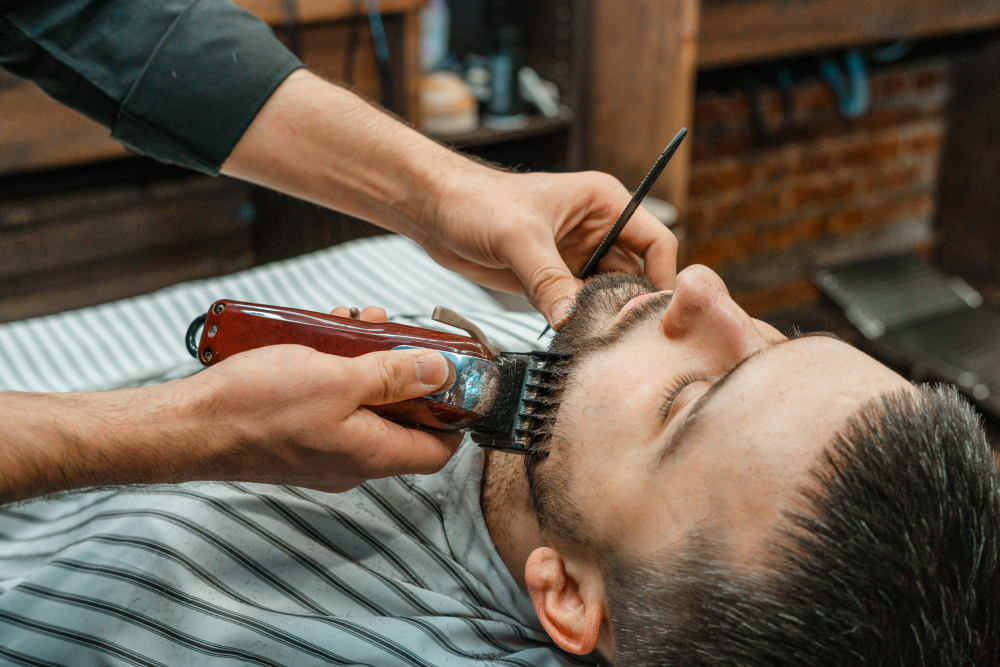
Clipper cutting is a major part of this training. Creating clean fades and smooth transitions requires precision and control. These techniques are practiced repeatedly to build consistency.
Straight razor shaving is another important area. Proper handling, skin preparation, and safety procedures are covered in detail. This service is a defining feature of barbering and requires focused instruction.
Facial hair grooming also becomes a priority. Students learn how to shape beards, create sharp lines, and maintain symmetry. These details make a noticeable difference in the final result.
Career Outcomes for Each Path
Both traditional barber programs and crossover programs lead to strong career opportunities. The difference lies in how quickly students can begin offering barbering services.
Graduates of full barber programs enter the workforce with a complete set of skills. They are prepared to work in barbershops, salons, or other grooming environments.
Those who complete a crossover program already have experience in cosmetology. Adding barbering skills allows them to expand their service menu and attract a broader client base.
A crossover barber license creates flexibility. Professionals can move between different work environments and adapt to changing client demands.
This flexibility can support long-term growth. It allows professionals to adjust their focus without being limited to one type of service.
Choosing the Right Path for Your Goals
Deciding between a full barber program and a crossover program depends on your current situation. Individuals without a license will need to complete a full barber program to meet state requirements.
Licensed cosmetologists have the option to pursue a crossover program. This path allows them to build on their existing training while gaining new skills.
Career goals also play a part in this decision. Those who want to expand their services quickly may benefit from the crossover route. Those starting fresh will need the structure of a full program.
Researching program details can help clarify which option makes the most sense. Recognizing the differences in training, time commitment, and outcomes leads to a more educated decision.
Why Professional Training Matters
Barbering requires more than basic knowledge. California enforces strict licensing standards to protect both professionals and clients.
Completing a formal training program means that students will learn proper techniques and safety practices. This preparation is necessary for passing the state board examination.
Hands-on experience is a major part of the process. Working with real clients during training helps students build confidence and develop consistency.
A structured learning environment also provides access to experienced instructors. Their guidance helps students refine their skills and prepare for real-world situations.
Avoiding Common Misunderstandings
One of the most common misconceptions is that cosmetology training fully covers barbering skills. While there is overlap, barbering includes techniques that require additional training.
Another misunderstanding is that crossover programs are less valuable than full programs. In reality, they are designed for a specific group of students who already have basic knowledge.
The goal of a crossover program is not to replace full training. It exists to supplement existing skills and meet licensing requirements for those transitioning into barbering.
Recognizing these differences helps students choose the right path without confusion.
Build the Career That Fits Your Vision
Barbering offers a range of opportunities for those willing to invest in their training. Choosing the right path is the first step toward building a successful career in California’s grooming industry.
Both traditional barber programs and crossover programs serve a purpose. The right choice depends on your background, goals, and the type of work you want to pursue.
Taking the time to explore your options can lead to better long-term results. With proper training, you can move forward with confidence and clarity.
Advance Your Career With Professional Barber Training
We help students take the next step toward a future in barbering through focused, hands-on education. Our programs are designed to meet California licensing requirements while giving students the practical experience they need to succeed in real client settings.
We work with both new students and licensed professionals who want to expand their skills through crossover training. Our instructors bring industry experience into the classroom, helping students build confidence and refine their techniques.
Financial aid is available for those who qualify, making it easier to begin your training.
If you have any questions about Southern California College of Barber & Beauty or want to learn more about your training options, please reach out to us today.