Quick Summary
California licensing standards for barbers and cosmetologists continue evolving under regulations introduced through Senate Bill 803. The 2026 guidelines affect training hours, written examinations, externships, mobile services, crossover education, and licensing procedures across the beauty industry. Students, salon professionals, and shop owners should understand how these updates influence education timelines, compliance expectations, and career opportunities. Staying informed about California barber and cosmetology requirements can help professionals prepare for licensing, maintain compliance, and adapt to changing service demands.
The beauty industry continues to adjust to major regulatory updates affecting California barber and cosmetology licensing, education, and workplace operations. Changes introduced under Senate Bill 803 remain central to how professionals enter the field, complete training, prepare for examinations, and expand their careers in 2026.
Students pursuing barbering or cosmetology careers, salon professionals considering additional certifications, and owners operating a barbershop or salon environment should understand how these requirements affect licensing and long-term career planning.
The updated guidelines continue shaping barber education, esthetics training, cosmetology instruction, apprenticeship structures, and crossover pathways throughout California.
Reduced Training Hour Requirements Continue Affecting Enrollment Decisions
One of the most significant regulatory changes remains the reduction in required training hours for barbering and cosmetology students. California reduced cosmetology training requirements from 1,600 hours to 1,000 hours, while barbering hours also decreased to 1,000.
Supporters of the changes believe reduced hour requirements make beauty education more accessible by lowering tuition costs and shortening program completion timelines. Students may enter the workforce sooner while reducing the financial burden connected to extended educational schedules.
Critics, however, continue raising concerns regarding reduced hands-on experience and practical repetition. Some industry professionals believe fewer instructional hours may affect long-term technical readiness for newer graduates entering salons and barbering environments.
For students entering beauty education in 2026, understanding the balance between accelerated licensing pathways and practical skill development remains important when selecting a training program.
The Written Examination Remains the Main Licensing Requirement
California no longer requires a practical licensing examination for barbering or cosmetology applicants. The practical examination requirement was removed beginning in 2022, leaving only the written state board examination for licensure eligibility.
This shift changed how students prepare for licensing. Instead of focusing heavily on practical state board demonstrations, students now spend additional time reviewing sanitation standards, infection control, safety regulations, anatomy, chemistry, licensing laws, and theoretical concepts.
The written examination remains administered through PSI testing services. Candidates may choose testing locations and examination schedules after receiving approval from the California Board of Barbering and Cosmetology.
The exam is available in multiple languages, including English, Spanish, Korean, Vietnamese, and Simplified Chinese. Interpreter accommodations may also be available for approved applicants who qualify under state requirements.
Even though the practical examination no longer exists, schools still emphasize hands-on training because real-world service performance remains critical for career readiness and client retention.
Barber Crossover Programs Continue Expanding Career Flexibility
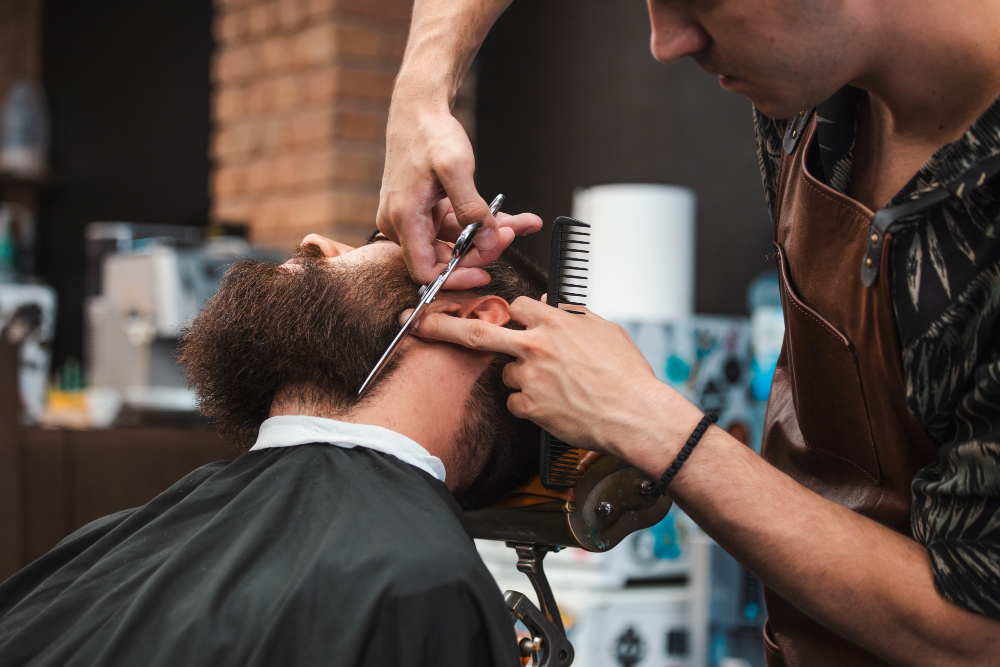
Many licensed cosmetologists are pursuing a barber crossover program to expand service capabilities and increase flexibility within the grooming industry. California crossover programs focus on barbering procedures not already covered within cosmetology training.
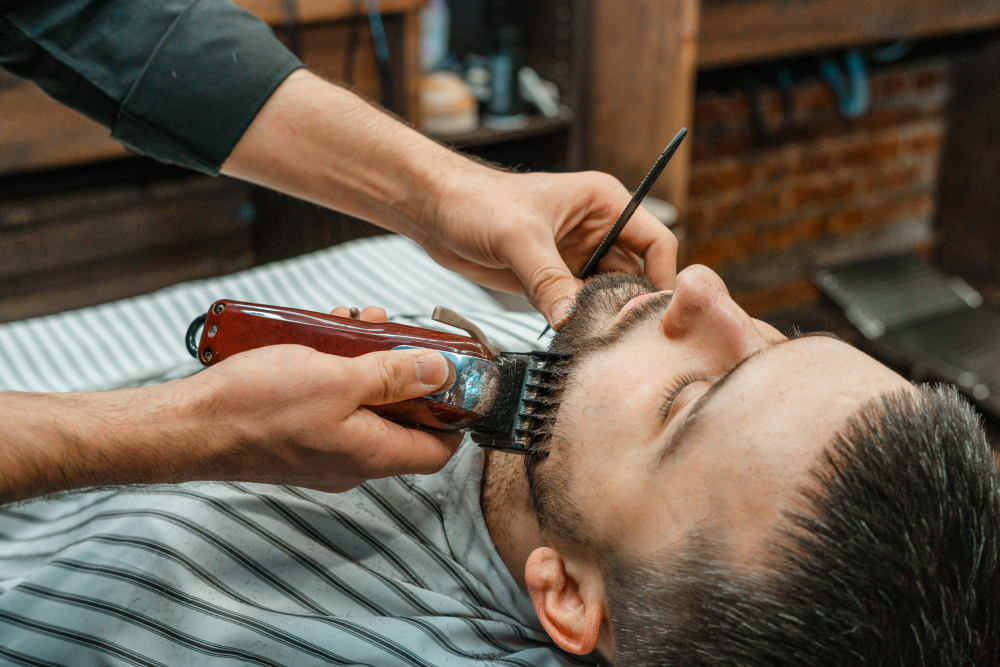
The crossover curriculum typically includes shaving preparation, razor handling, sanitation procedures, skin analysis, facial massage techniques, and barbering theory. Students also receive instruction related to California barbering regulations and workplace safety requirements.
Flexible scheduling continues making crossover education attractive for working professionals. Some programs offer accelerated weekly schedules that allow students to complete training within weeks instead of months.
Students preparing for the crossover barber exam should continue focusing heavily on written theory preparation because licensing examinations now emphasize safety standards and professional knowledge more than practical testing performance.
Expanded Esthetics Services Remain Part of the Updated Scope of Practice
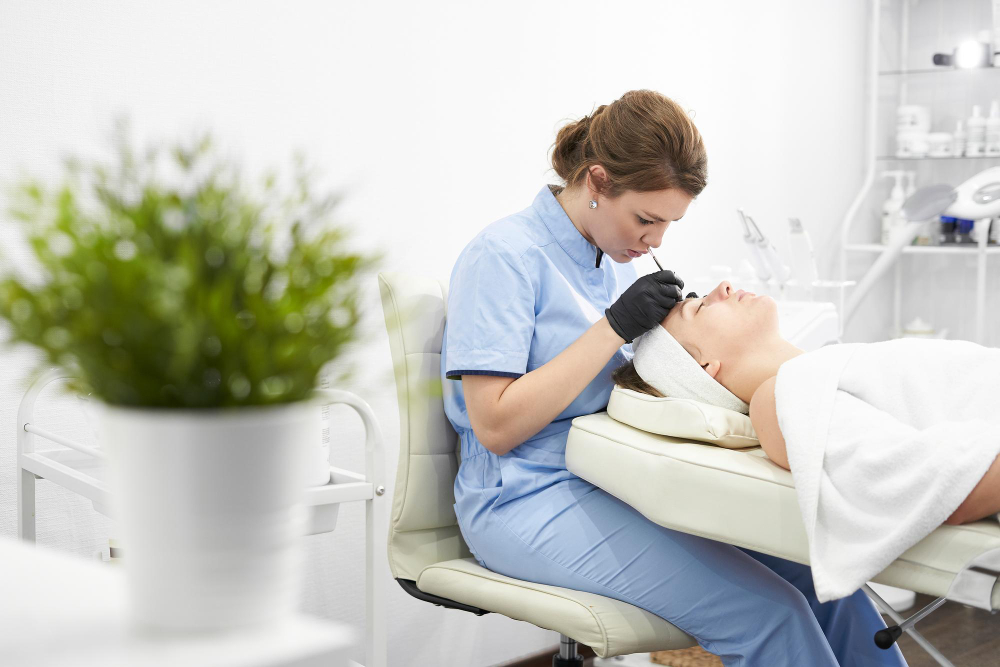
California also expanded the esthetic scope of practice under SB 803. Licensed estheticians may now perform lash tinting, brow tinting, lash perming, and facial dermaplaning within approved professional settings.
These updates allow beauty professionals to offer broader service menus without obtaining separate specialty certifications for procedures now included under standard esthetics licensing.
The expanded scope reflects increasing consumer demand for low-invasive beauty treatments and customized skincare services. Salons and skincare professionals have responded by integrating these procedures into existing client offerings.
Students pursuing esthetics education should understand that regulatory changes may continue influencing curriculum requirements as industry service expectations evolve.
Out-of-State License Transfers Have Become More Efficient
Professionals relocating to California from other states now benefit from a more streamlined endorsement process. Earlier licensing systems often required additional paperwork, lengthy evaluations, or repeated educational verification procedures before professionals could begin working legally within California.
Updated guidelines aim to reduce unnecessary delays while maintaining licensing standards. Applicants transferring licenses should still verify documentation requirements carefully because eligibility depends on education, examination history, and existing licensure standing.
For experienced professionals moving into California markets, these changes may shorten transition timelines and support faster workforce entry.
This streamlined approach may also benefit salon owners and grooming businesses seeking experienced licensed professionals from outside California.
Mobile Barbering and Beauty Services Face Updated Compliance Expectations
Mobile beauty services continue growing throughout California, especially in urban and suburban areas where clients increasingly seek flexible appointment options. Updated state regulations now place stronger emphasis on sanitation, waste disposal, secure storage, and operational compliance for mobile service providers.
Mobile salons and barbering units must meet licensing standards similar to traditional locations. This includes maintaining sanitary workspaces, storing equipment properly, and complying with inspection requirements established by the state board.
Professionals interested in mobile operations should understand that convenience does not eliminate regulatory responsibility. Licensing compliance remains essential regardless of whether services occur inside a salon, suite rental, home studio, or mobile environment.
Students considering future mobile service businesses should begin learning sanitation and operational standards during training instead of waiting until after licensure.
Apprenticeship and Externship Opportunities Continue Expanding
California’s updated guidelines also expanded externship opportunities for students completing barbering and cosmetology education. Extern programs allow students to gain additional supervised practical experience within licensed salon environments before graduation.
The increased externship hour allowance helps students strengthen workplace readiness while applying classroom instruction in real service settings. This can improve confidence, customer communication, time management, and practical efficiency before entering full-time employment.
Pre-apprenticeship training requirements were also introduced for apprenticeship candidates pursuing barbering or cosmetology careers through alternative educational pathways. These requirements help ensure students understand sanitation, safety standards, and foundational technical procedures before beginning supervised apprenticeship work.
For students seeking practical exposure before graduation, externship opportunities remain an important part of career preparation.
Financial Planning Remains Important for Beauty Students
Even with reduced training hours, educational costs continue influencing enrollment decisions for many students entering barbering and cosmetology programs.
Tuition, textbooks, practical kits, licensing fees, transportation expenses, uniforms, and examination costs all contribute to total educational investment. Some students may also experience temporary income reductions while balancing work schedules with training requirements.
Because of this, many accredited schools continue offering financial aid opportunities for qualifying students. Federal aid programs, grants, loans, scholarships, and payment plans may help reduce immediate out-of-pocket educational expenses.
Students should complete financial aid applications early and review all available payment options before beginning training. Careful financial planning often helps students remain focused academically while reducing stress during enrollment.
For working professionals entering crossover education or returning to school after years in the workforce, flexible schedules combined with structured financial planning can make career advancement more manageable.
Professional Standards Continue Shaping Industry Expectations
Although licensing pathways have changed, professional expectations inside the beauty industry remain high. Clients continue expecting sanitation compliance, technical consistency, communication skills, professionalism, and service reliability from licensed barbers and cosmetologists.
Training programs still emphasize infection control, skin analysis, chemical safety, workstation sanitation, and proper tool handling because these standards directly affect public health and business reputation.
Industry professionals who continue developing technical skills, adapting to new regulations, and responding to changing service demands are often better positioned for long-term career stability.
Students entering barbering, cosmetology, or esthetics programs in 2026 should view licensing not as the final step, but as the beginning of ongoing professional development.
What Students Should Look for Before Enrolling
Choosing the right training program remains one of the most important decisions for future beauty professionals. Students should evaluate accreditation status, curriculum quality, scheduling flexibility, practical training opportunities, financial aid participation, licensing preparation, and instructor experience before enrolling.
Programs offering structured support for written examination preparation, practical development, and career readiness may help students transition more smoothly into professional environments after graduation.
Students should also ask about practical training hours, externship opportunities, student support services, and graduation requirements before committing to enrollment agreements.
A shorter licensing pathway does not reduce the importance of quality instruction. Strong educational preparation still matters for long-term career success inside California’s competitive beauty industry.
Preparing for the Next Step
At Southern California College of Barber & Beauty, we help future professionals prepare for California licensing requirements through accredited barbering, cosmetology, esthetics, and crossover training programs. Our team supports students with hands-on instruction, flexible scheduling, written exam preparation, and financial aid opportunities for qualifying students.
If you are ready to begin training for a career in barbering, cosmetology, or esthetics, now is the time to take action. Contact our admissions team to learn more about program availability, enrollment requirements, financial aid options, and upcoming class schedules.
Schedule a tour, request information, or speak with our team today to start building your future in California’s beauty industry.
FAQs
No. California currently only requires applicants to pass the written licensing examination after completing approved educational requirements.
California currently requires 1,000 training hours for both cosmetology and barbering programs under updated state regulations.
Licensed estheticians may now perform lash tinting, brow tinting, lash perming, and facial dermaplaning under California guidelines.
Yes. Licensed cosmetologists may complete a barber crossover program to learn barber-specific procedures and qualify for barber licensing requirements.
Accredited schools may offer financial aid opportunities for qualifying students, including grants, loans, scholarships, or payment plan options.